Defensible Space Services in Bend, La Pine, Sunriver, Sisters & Across Central Oregon
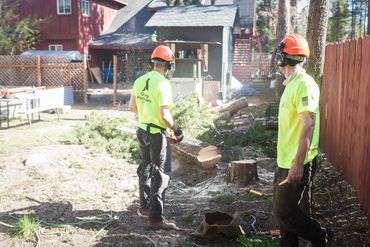
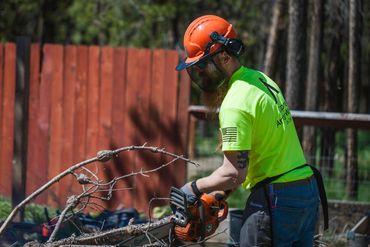
When Professional Defensible space services Are Recommended

Why Fire Fuel Mitigation Matters in Bend, Oregon
Wildfire fuel mitigation and defensible space creation are not just preventative measures — they directly impact property survivability, safety, and long-term risk exposure in Bend, Oregon.
In Bend, effective fuel reduction helps:
- Reduce the intensity and spread of wildfire near structures
- Create defensible space zones around homes and buildings
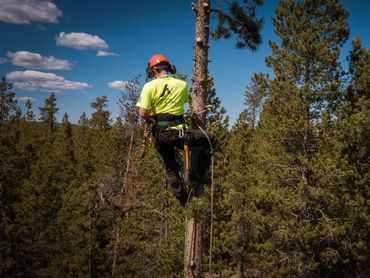
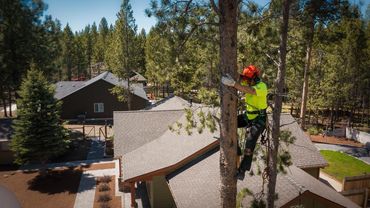
- Limit ladder fuels that allow fire to climb into tree canopies
- Improve spacing between vegetation to slow fire movement
- Protect access points such as driveways and evacuation routes
Because Bend includes a mix of forested neighborhoods, open lots, and wildland-urban interface areas, unmanaged fuels can create continuous burn paths that increase wildfire risk.
A strategic mitigation approach helps break these fuel paths while maintaining the natural landscape.
Our Approach to Wildfire Fuel Mitigation
Before any work begins, we evaluate the property to identify fire risks and fuel concentrations.
Our process focuses on:
- Assessing vegetation density and fuel continuity
- Identifying ladder fuels and high-risk zones
- Evaluating slope, wind exposure, and structure proximity
- Determining defensible space zones based on property layout
- Creating a phased plan for fuel reduction and ongoing maintenance
This ensures mitigation work is both effective and aligned with how wildfire behaves in Central Oregon.
Instead of over-clearing or removing everything, we focus on targeted fuel reduction that improves safety without damaging the ecosystem.
Wildfire Fuel Reduction Techniques Used in Bend, Oregon
Different properties require different mitigation strategies based on terrain, vegetation, and layout.
- Common techniques include:
- Selective tree thinning to reduce canopy density
Removal of ladder fuels such as low branches and understory growth - Brush clearing and surface fuel reduction
- Spacing trees to reduce horizontal fire spread
- Creating clearance zones around structures and critical areas
These techniques work together to disrupt fire behavior and improve defensible space effectiveness.
Wildfire Fuel Reduction vs. Tree Removal
Fuel mitigation is often a better approach than full tree removal when trees are healthy and properly spaced.
Fuel mitigation is recommended when:
- Vegetation is too dense or continuous
- Ladder fuels are present beneath tree canopies
- Trees are too close to structures
- Brush and ground fuels have accumulated
- The goal is fire risk reduction without altering the landscape entirely
Tree removal may be necessary in high-risk situations, but many properties benefit more from strategic thinning and spacing.
Understanding the difference is key to balancing safety, cost, and property aesthetics.
Seasonal Timing for Wildfire Risk Mitigation in Bend, Oregon
Timing plays a major role in effective fuel reduction.
General guidelines include:
- Spring and early summer for proactive mitigation before peak fire season
- Late summer for targeted reduction in high-risk areas
- Fall for cleanup and preparation ahead of winter
- Year-round work for critical hazard reduction
Because Bend experiences dry summers, snow loads, and seasonal wind patterns, timing decisions are based on both fuel conditions and wildfire risk levels.
How Defensible Space Impacts Property Protection
Defensible space is one of the most important factors in whether a structure can survive a wildfire.
- Proper defensible space can:
- Slow or stop fire spread near structures
- Reduce radiant heat exposure to buildings
- Provide safer conditions for firefighting efforts
- Improve evacuation access and safety
- Increase overall property resilience
In Bend, where wildfire risk is a consistent concern, defensible space is a critical part of responsible property management.
Wildfire Fuel Mitigation in Bend, Oregon Done Right
Wildfire fuel mitigation is one of the most important steps homeowners can take to protect their property.
In Bend, Oregon, where dry conditions and vegetation create ongoing fire risk, strategic fuel reduction and defensible space planning are essential.
By focusing on fuel continuity, spacing, and real-world fire behavior, Osprey Arbor Works provides wildfire mitigation services designed to reduce risk while preserving the integrity of your land.
Frequently Asked Questions
What are defensible space services, and why do I need them in Bend?
Defensible space services are designed to reduce wildfire risk by managing vegetation and fire fuel around your home. In Bend, where properties are often surrounded by forest and dry conditions, this is one of the most effective ways to protect your home from wildfire exposure.
This matters because wildfire spread is driven by available fuel and how that fuel is arranged. Without defensible space, fire can move quickly across your property, climb into trees, and generate enough heat to ignite structures even without direct flame contact.
Defensible space services typically include:
- Removal of hazardous vegetation near structures
- Brush thinning to reduce fire fuel buildup
- Ladder fuel reduction to prevent vertical fire spread
- Strategic spacing of trees and vegetation
- Ongoing fuels reduction to maintain protection
When these elements are implemented together, they change how fire behaves. Instead of spreading rapidly and intensifying, fire is slowed, kept lower to the ground, and becomes more manageable, significantly improving your home’s chances of survival.
How do defensible space services reduce wildfire risk?
Defensible space services reduce wildfire risk by breaking up the continuity of wildfire fuels, which limits how fire spreads across your property. In Central Oregon, dense vegetation and dry conditions create an environment where unmanaged fuel allows fire to move quickly and intensify.
This is important because wildfire damage is largely determined by fire intensity. The more fuel available, the hotter and more destructive the fire becomes when it reaches your home.
This is accomplished through:
- Fuels reduction to limit combustible material
- Ladder fuel reduction to keep fire from reaching tree canopies
- Removal of dead wood and debris that act as ignition points
- Brush thinning to improve spacing and airflow
- Forest management techniques that create natural fire breaks
By reducing fuel load and improving spacing, these services directly influence fire behavior. The result is a lower-intensity fire that spreads more slowly and is far more likely to be controlled before causing major damage.
What is included in defensible space services in Bend?
Defensible space services in Bend include a combination of vegetation management and fuel mitigation techniques tailored to your property. The goal is to reduce wildfire fuels while maintaining a functional and healthy landscape.
This matters because each property has different risk factors based on vegetation density, layout, and proximity to the forest. A targeted approach ensures the right areas are treated without unnecessary clearing.
Most services include:
- Removal of hazardous vegetation and wildfire fuels
- Tree pruning to eliminate ladder fuels
- Brush thinning and selective lot clearing in high-risk areas
- Efficiently removing debris and excess fire fuel
- Ongoing wildfire management and maintenance planning
Together, these steps create a structured environment where wildfire risk is actively managed. Instead of a one-time cleanup, the property is maintained in a way that continues to reduce risk over time.
What are ladder fuels, and why do they matter?
Ladder fuels are smaller vegetation such as shrubs, young trees, and low branches that allow fire to move from the ground into the canopy of larger trees. In forested areas around Bend, this is one of the primary drivers of high-intensity wildfire behavior.
This matters because once fire reaches the canopy, it spreads faster, burns hotter, and becomes significantly harder to control.
Common ladder fuels include:
- Dense shrubs beneath mature trees
- Small trees growing under larger ones
- Low-hanging branches
- Thick, unmanaged undergrowth
Removing ladder fuels breaks the vertical pathway fire uses to intensify. This keeps fire lower to the ground, where it is slower, less intense, and more manageable.
How do I know if my property needs defensible space services?
Most properties in Bend and Central Oregon can benefit from defensible space services, especially those near forest or unmanaged land. Wildfire risk is often tied to vegetation density, spacing, and fuel accumulation rather than visible neglect.
This matters because properties that appear maintained can still carry significant wildfire fuels that increase fire intensity and spread potential.
Signs your property may need service include:
- Dense tree coverage with limited spacing
- Accumulated dead wood or debris
- Hazardous vegetation close to structures
- Overgrown brush or unmanaged areas
- Proximity to forest or open land
A professional assessment identifies where wildfire fuels are building up and provides a plan to reduce risk effectively across your property.
Do defensible space services help with insurance requirements?
Defensible space services can help meet increasing insurance requirements in wildfire-prone areas like Bend. Many providers now evaluate wildfire risk when issuing or renewing policies.
This matters because insufficient wildfire risk reduction can lead to higher premiums, coverage limitations, or policy cancellations.
Insurance-related considerations often include:
- Creation of defensible space around the home
- Ongoing fuels reduction and vegetation management
- Removal of hazardous vegetation near structures
- Documentation of wildfire risk reduction efforts
By maintaining defensible space, homeowners demonstrate proactive risk management, which can help protect both their property and their insurability.
How often should defensible space services be done?
Defensible space services should be performed regularly, as vegetation regrows and wildfire fuels accumulate over time. In Central Oregon, this is an ongoing process rather than a one-time project.
This matters because even well-executed fuel mitigation can lose effectiveness if not maintained, allowing wildfire risk to gradually return.
Most properties benefit from:
- Annual or seasonal fuels reduction
- Periodic brush thinning and vegetation management
- Tree pruning to prevent new ladder fuels
- Regular debris removal
Consistent maintenance ensures that wildfire fuels remain controlled, keeping fire risk low and your property protected year after year.
What’s the difference between defensible space services and lot clearing?
Defensible space services and lot clearing serve different purposes, even though they may appear similar. Defensible space focuses specifically on wildfire risk reduction, while lot clearing is typically done for development or construction.
This matters because the wrong approach can either leave wildfire risk in place or remove more vegetation than necessary.
Key differences include:
- Defensible space targets wildfire fuels and hazardous vegetation
- Lot clearing removes vegetation for development purposes
- Defensible space is selective and strategic
- Lot clearing is often broader and less targeted
Defensible space services are designed to reduce wildfire risk effectively while maintaining the natural structure of the land, rather than clearing everything indiscriminately.
Why choose Osprey Arbor Works for defensible space services in Bend?
Osprey Arbor Works provides defensible space services tailored specifically to the wildfire conditions found in Bend and Central Oregon.
This matters because local experience directly impacts how effectively wildfire fuels are reduced and how well a property is protected.
Our approach includes:
- Targeted fuels reduction and ladder fuel removal
- Ability to efficiently remove debris without heavy equipment dependency
- Deep understanding of Central Oregon forest conditions
- Customized plans designed for your property
This results in defensible space that is both effective and sustainable, reducing wildfire risk while preserving the long-term health and usability of your land.